News

Filtering by: ESG

ESG Action with reproducible seeds (Feedback after 3 years)
Feb
9
2:30 PM14:30
ESG

ESG Action with reproducible seeds (Feedback after 3 years)

Building on this momentum, in January 2026, Association Kokopelli confirmed its willingness to continue the cooperation with Welltest Nordisk by maintaining a regular feedback loop and technical exchanges focused on seed acclimatization to Mediterranean conditions in North Africa. This renewed commitment represents an important milestone: it strengthens the link between seed donations, on-the-ground experimentation, and the structured sharing of lessons learned—so that varieties can be evaluated, selected, and improved under real production conditions.

This decision is directly supported by our results, but also by our efforts and persistence—including agronomic follow-up, careful documentation of performance (germination rates, vigor, drought tolerance, disease resistance, and organoleptic qualities), and the organized sharing of field observations from our partners’ plots. The goal is to reinforce a true learning cycle: test, observe, compare, refine cultivation practices, and share clear, practical insights that help guide next steps (most promising varieties, optimal sowing windows, technical pathways, and irrigation and protection needs).

In light of this progress, Kokopelli also agreed to provide an additional seed donation to scale up trials and further expand the range of varieties being tested. This additional contribution will make it possible to:

  • secure continuity of cultivation across multiple cycles, and

  • accelerate local adaptation by enabling reproduction, selection, and conservation of the best-performing varieties.

As a result, 2026 opens with a clear path forward: to make seed acclimatization in North Africa a reference field for reproducible, open-pollinated seeds under Mediterranean conditions—while strengthening seed autonomy, cultivated biodiversity, and the resilience of partner farming systems. This renewed cooperation demonstrates that an approach grounded in trust, transparency, and field-based evidence can deliver lasting agronomic, social, and environmental impact, and it further reinforces the meaning and value of our shared commitments.

Partner:

Association Kokopelli | Organic, royalty-free and reproducible seeds and plants
View Event →
Participation to the Solar Week Algeria Awards 2026
Jan
24
2:30 PM14:30
ESG

Participation to the Solar Week Algeria Awards 2026

Join us ont he 29th of January 2026

at the Solar Week Algeria Awards 2026!

#1 — From Uncertainty to Confidence in Energy Projects

“At WellTest Nordisk, we specialize in probabilistic well testing analysis and advanced uncertainty quantification — giving energy developers confidence in reservoir performance and flow behavior through data-driven insights. As the energy sector embraces renewables like solar, the same principles of reducing technical uncertainty are critical when integrating intermittent energy sources into hybrid systems and optimizing asset performance.”

#2 — Supporting Hybrid Energy Ecosystems with Better Decisions

“Solar power & other renewables are essential to lowering carbon intensity and enhancing energy access. At WellTest Nordisk, our software and training help decision-makers assess performance uncertainty, improve planning and minimize operational risk — a capability that is equally valuable when designing hybrid energy infrastructures combining solar, storage and conventional assets.”

#3 — ESG Through Reliable, Data-Driven Performance

“In an ESG context, reducing emissions and improving efficiency isn’t just about renewable supply — it’s also about intelligent measurement, verification, and management of performance. Our probabilistic analytics help organizations understand what works, what doesn’t, and why — enabling smarter investment in sustainable energy solutions, including solar deployment and integration.”

View Event →
ESG Action with reproducible seeds
Dec
12
9:30 PM21:30
ESG

ESG Action with reproducible seeds

Welltest Nordisk acted in the last 3 years as an intermediary in the circulation of seeds, ensuring a committed follow-up, and the exchange of practical knowledge throughout the process. Beyond logistics, this role is rooted in support, guidance, and shared expertise, helping growers make informed decisions adapted to their local conditions.

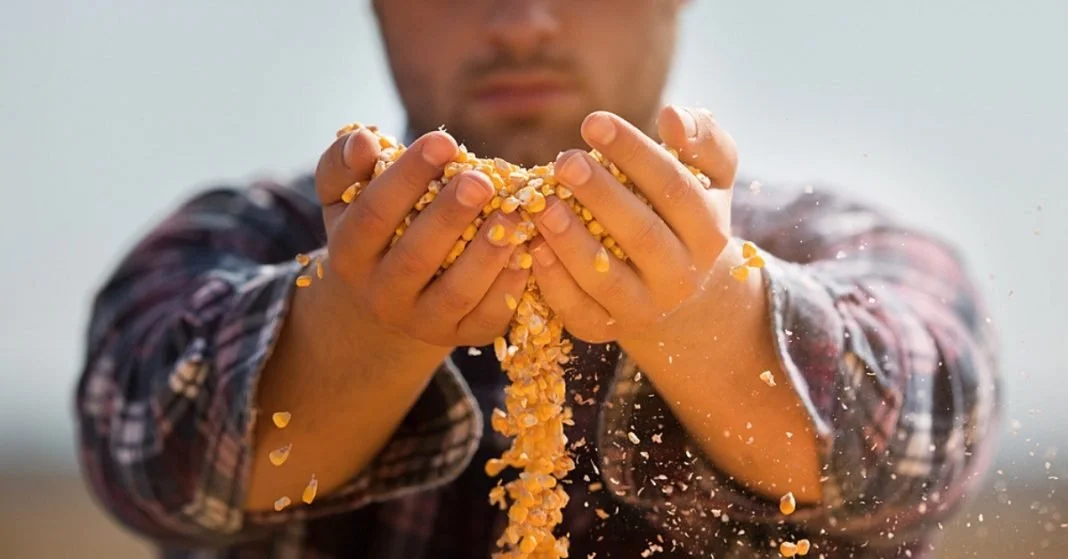
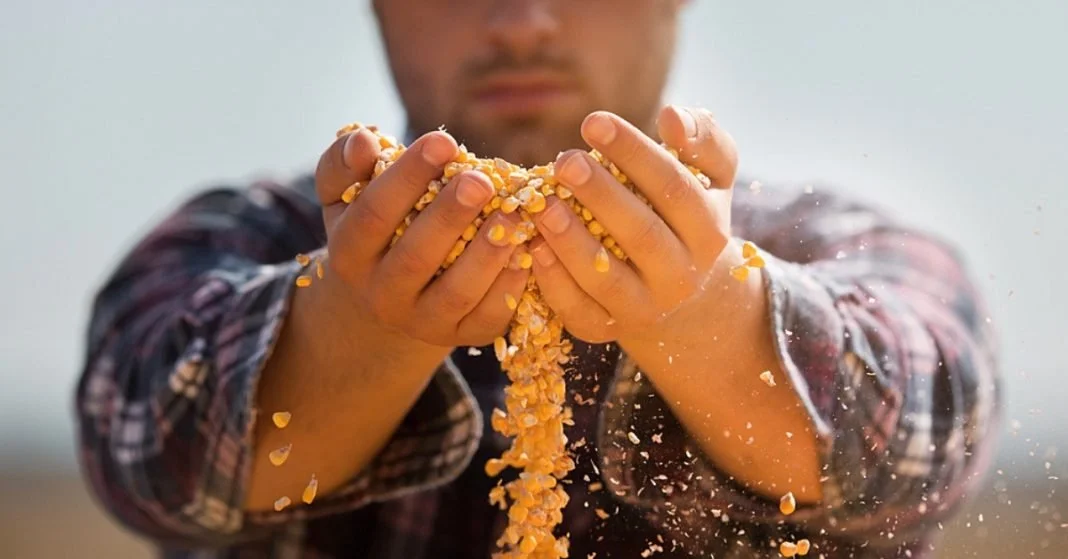
Our work is based on the use of open-pollinated, reproducible (non-F1) seeds, almost exclusively from the kind donation from Kokopelli. These seeds can be saved, replanted, and adapted over time, allowing local farmers and gardeners to regain autonomy over their seed supply. Unlike F1 hybrid seeds, reproducible seeds preserve genetic stability while remaining dynamic, capable of evolving naturally in response to soil, climate, and cultivation practices.

Maintaining reproducible seeds is essential for long-term resilience. It encourages seed sovereignty, reduces dependence on industrial inputs, and strengthens local food systems. Through continuous monitoring and the exchange of advice, Welltest Nordisk contributes to the preservation of traditional knowledge and supports experimentation, adaptation, and learning among growers.

Equally important is the maintenance of a wide diversity of plant varieties. Biodiversity within cultivated plants plays a crucial role in ecosystem health, resistance to diseases, and climate adaptation. A diverse range of seeds ensures richer soils, more balanced interactions with insects and microorganisms, and greater resilience in the face of environmental change.

When applied over a cultivated area of 11 hectares of our partners, this approach generates clear and measurable ESG (Environmental, Social, and Governance) benefits.

From an Environmental perspective, the use of reproducible seeds and diversified plant varieties enhances soil health, reduces the need for chemical inputs, and supports pollinators and beneficial organisms. The increased genetic diversity across 11 hectares strengthens ecosystem resilience, lowers vulnerability to pests and climate stress, and contributes directly to biodiversity preservation.

From a Social standpoint, this model supports knowledge sharing, farmer autonomy, and local capacity building. By enabling seed saving and adaptation, it empowers growers, preserves agricultural know-how, and promotes fairer, more inclusive food systems. It also reinforces local networks and long-term employment linked to sustainable agricultural practices.

From a Governance perspective, traceability of seed origin, transparent seed management, and responsible sourcing align with strong governance principles. The use of open-pollinated seeds reduces dependency on proprietary seed systems and supports ethical, transparent decision-making within agricultural value chains.

By combining reproducible seeds, biodiversity, and structured follow-up across 11 hectares, Welltest Nordisk demonstrates a concrete, scalable ESG approach. This model integrates environmental stewardship, social responsibility, and transparent governance, contributing to sustainable agriculture and long-term resilience.

For more info check the seed donor: Association Kokopelli | Organic, royalty-free and reproducible seeds and plants
View Event →